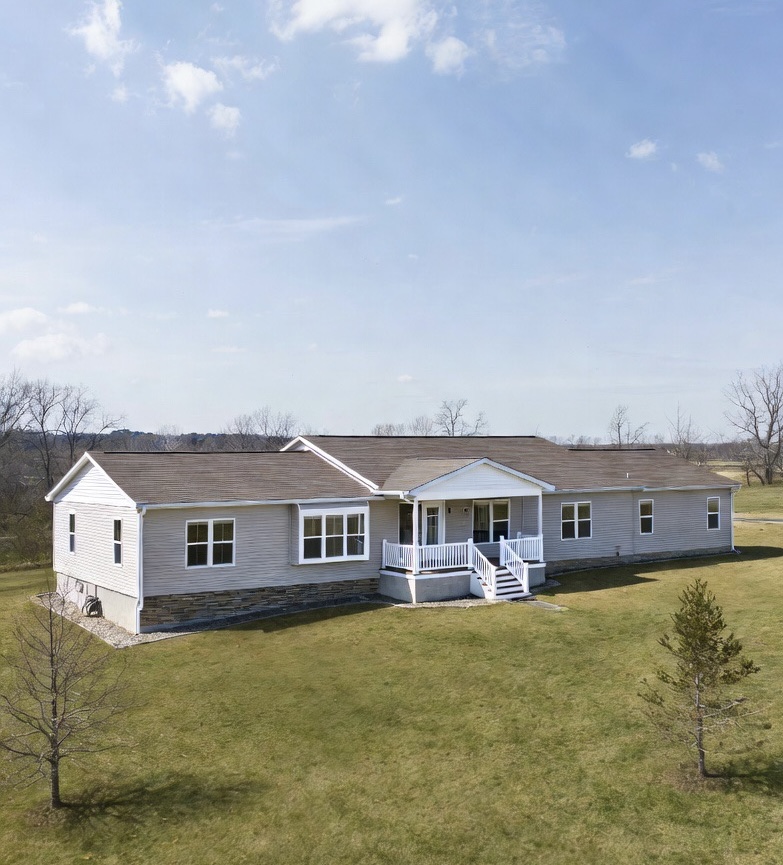
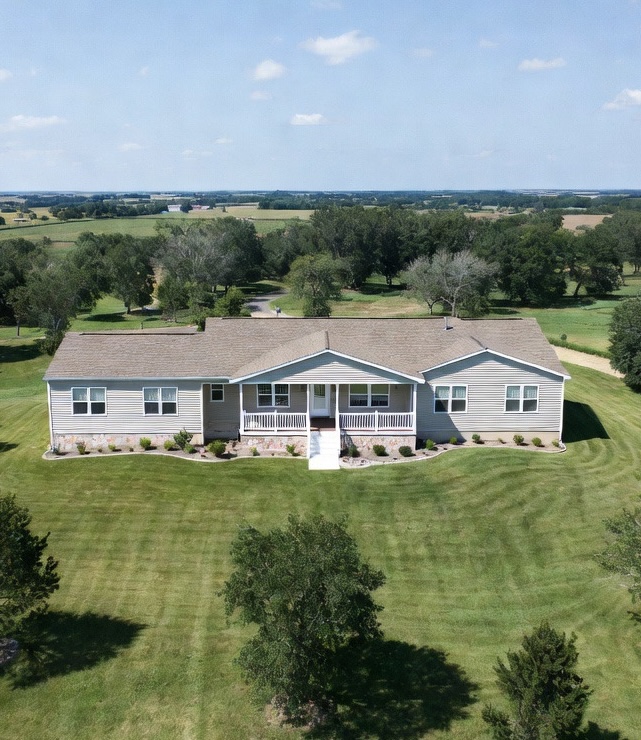
Most lenders treat manufactured home loans as a side product. We built our entire practice around them — which means fewer surprises, more approvals, and a process that actually makes sense.
If you own a manufactured home and you’ve tried to refinance — or you’re thinking about it — knowing these three things going in puts you ahead of most people.
Past delinquencies, collections, bankruptcies, low scores — lenders flag all of it. But here’s what catches people off guard: even borrowers with solid credit get denied. Why? Because many lenders simply don’t have experience in this segment of housing. When a lender doesn’t know the business, they compensate by setting credit requirements higher than they need to be — and good borrowers get turned away because of the lender’s inexperience, not their own financial profile.
This accounts for roughly 40% of manufactured home refinance denials — and it has nothing to do with credit. Do you own the land the home sits on? Is the home permanently affixed to a foundation, or is it set in a way that suggests it could be moved? For most lenders, a non-compliant foundation isn’t a hurdle they’ll work through. It’s a full stop.
Even when everything looks good on paper, the smaller loan amounts typical with manufactured homes — combined with fixed closing costs — can make a deal unattractive for a lender to close. So they find a reason to walk, or simply don’t move forward with urgency. A specialist understands these economics and is structured to close them efficiently.
Once you understand why manufactured home loans fail, the path forward becomes clear. Here’s what actually moves the needle:
A lot of dealers and installers don’t put everything in correctly from the start. And even when they do, time and natural settling can change things. By the time an appraisal or engineer certification is ordered — both required for manufactured home financing — issues get flagged that nobody was expecting.
HUD requires that manufactured homes have anchors and tie-downs to keep the home stable and secured — resistant to wind uplift, lateral movement, and natural shifting over time. The specific requirements vary based on wind zone and when the home was built.
Your loan won’t close without them meeting HUD guidelines. But more importantly — these requirements exist to protect your family. A home that isn’t properly anchored is a genuine health and safety risk, not just a paperwork issue.
Tie-down requirements vary by wind zone and build year. A specialist will assess compliance early in the process — before it becomes a problem.
Most homeowners assume their skirting is fine because it looks fine. But under HUD 4000.1, if your skirting is lightweight material, the entire surface area must be permanently attached to a backing made of concrete, masonry, treated wood, or similar durable material. Plain vinyl skirting on its own doesn’t meet that standard.
On top of the backing requirement, skirting must be properly vented — one square foot of ventilation per 150 square feet of crawl space — with corrosion-resistant wire mesh. Without proper ventilation, you get moisture buildup. Moisture buildup leads to mold. Again: not just a loan issue. A health issue.
Skirting issues are among the most common surprises at inspection. Easily missed until an engineer looks at it closely.
Most lenders stop when foundation or skirting issues show up. Or they hand it back to you and say come back when it’s fixed — and you have to come up with cash upfront to do it.
Let’s be honest: most people refinancing aren’t sitting on a lot of extra cash. That’s often part of why they’re refinancing in the first place.
We’ve built relationships with qualified contractors and foundation experts specifically for this. We can get the work done and roll the cost into the loan. But we take it a step further — we get your entire loan approved through underwriting first, before any work starts. So the final step is simply completing the correction. The risk is managed. The process is clear. You’re not doing repairs and hoping the loan still comes together.
See How We Can Help →
We have structured our process specifically around the realities of manufactured home lending — so there are no surprises, no stalls, and no last-minute issues that blow up the deal.
We talk through your situation first — home details, land ownership, loan goals — before anything else happens. No credit pull yet.
We get your loan fully approved through underwriting before any foundation work or inspections start. You know the deal is real before spending a dollar on repairs.
If your home has tie-down or skirting issues, we coordinate with our network of qualified contractors and roll the cost into the loan. No out-of-pocket surprises.
With underwriting already complete and compliance resolved, closing moves fast. Most manufactured home loans fund in 30 days or less.
Answer a few quick questions and a manufactured home lending specialist will reach out with your options — no obligation.
Start My Free Consultation →